Source ce used ultrasound mainboard for Comen, Edan, and Mindray
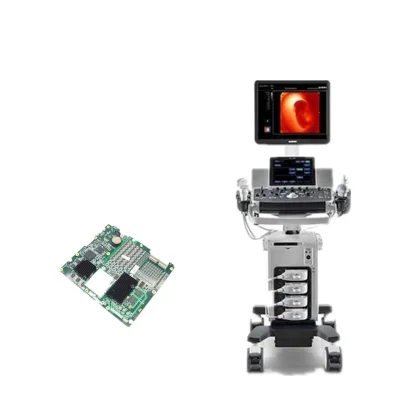
Compare 26 ce used ultrasound mainboard listings from global suppliers. Buyers can review specifications for Comen C26, Edan F6, and Mindray BC1800 devices with options for used original parts.
Key considerations
Products List


Comprehensive Sourcing Guide
Strategic Sourcing Guide for CE-Certified Used Ultrasound Mainboards
Understanding the Market Landscape for Reconditioned Medical Electronics
The procurement of used ultrasound mainboards represents a specialized segment within the broader medical equipment supply chain. Buyers seeking "CE used ultrasound mainboard" solutions are typically navigating a complex environment where cost-efficiency must be balanced against rigorous regulatory compliance and technical reliability. The core keyword indicates a specific demand for components that have undergone a lifecycle phase, are certified for the European Economic Area, and are intended for diagnostic imaging applications.
In this market, the product is not merely a generic electronic part but a critical subsystem often identified by specific model numbers and compatibility requirements. Based on available market observations, these components are frequently categorized under "Mainboard" or "Main Board" and are designed for specific medical devices such as fetal monitors and patient monitoring systems. The supply chain for these items often originates from regions with significant manufacturing or reconditioning activity, with China and Japan being notable sources of origin for various units. The condition of these boards is a primary differentiator, with listings frequently describing items as "Used Original," "Used with Good Condition," or "Used-Good." This terminology suggests that the units have been previously installed but are being resold for secondary use, often after a period of refurbishment or testing.
The availability of these components is often driven by the need for cost-effective maintenance of existing medical infrastructure. Hospitals and clinics may opt for used mainboards to extend the operational life of aging equipment rather than investing in entirely new systems. However, this strategy requires a deep understanding of the specific technical attributes of the board, including its model designation, material composition, and physical dimensions. The market offers a wide range of options, with some units specified for models like the Comen C26, Edan F6, or Mindray BC1800, while others are generic or associated with different brands like Nihon Kohden. This diversity necessitates a highly targeted approach to sourcing, where the buyer must match the exact specifications of the legacy equipment with the available replacement parts.
Technical Specifications and Compatibility Verification
When evaluating a used ultrasound mainboard, the technical specifications serve as the foundational criteria for procurement success. The first step in verification is identifying the precise model number, as this dictates the physical and electrical compatibility with the host device. In the current market, specific model identifiers such as "Cmbkgcb 00037," "CMBKGCB 0003," "HD9," and "BSM-2301K" are observed. These codes are not merely labels but are critical for ensuring that the mainboard's circuitry, connectors, and firmware can interface correctly with the ultrasound machine's other subsystems.
Material composition is another vital technical attribute. Most mainboards in this category are constructed with a plastic housing or casing, which provides necessary insulation and structural integrity. The physical scale of the board is also a key consideration; listings often describe the product scale as "Small" or "Medium," which influences the physical space required within the equipment chassis. Buyers must verify that the dimensions of the replacement board align with the internal layout of the target machine to avoid installation issues.
Furthermore, the application context of the mainboard is essential. While the core keyword focuses on ultrasound, the observed data indicates that these boards are frequently used in conjunction with fetal monitors and patient monitoring systems. For instance, specific boards are designated for use with the "Comen C26 Fetal Monitor," "Dash2000 Patient Monitor," and "Edan F6 Fetal Monitor." This cross-compatibility suggests that the underlying technology may share common architectures across different medical device categories. However, the specific application, such as "HD9" or "Mindray BC1800 Main Board," must be strictly adhered to. A board intended for a fetal monitor may not function correctly in a general patient monitor due to differences in signal processing requirements or safety isolation standards.
The condition of the board also impacts its technical performance. Observations indicate that units are often described as "Original Used" or "Used-Good." This implies that the board has been removed from a functioning system and is being resold without significant modification. Buyers should expect the board to retain its original specifications but must verify that the component has not suffered from wear and tear that could affect its longevity. The presence of a warranty, such as a "90 Days" coverage period, is a strong indicator of the supplier's confidence in the technical integrity of the product.
Compliance, Certification, and Regulatory Standards
Navigating the regulatory landscape is paramount when sourcing used medical electronics, particularly those intended for the European market. The "CE" marking is a critical compliance indicator, signifying that the product meets the essential health, safety, and environmental protection requirements of the European Economic Area. In the context of used mainboards, the presence of a CE certification is not always automatic; it depends on the original manufacturing standards and the integrity of the reconditioning process.
The supplied data explicitly lists "CE" as a certification attribute for several products. This suggests that the specific units being offered have either retained their original certification status or have been reassessed to meet CE requirements. However, buyers must exercise caution. The CE mark on a used component does not automatically guarantee that the entire assembled medical device will remain compliant. The integration of a used mainboard into a larger system may require re-validation to ensure that the overall device still meets the relevant directives, such as the Medical Device Directive (MDD) or the Medical Device Regulation (MDR).
In addition to CE, other standards may be relevant to the procurement process. While specific numerical ranges for standards like IEC 60601 are not explicitly detailed in the provided context, this standard is widely recognized as the international benchmark for the safety and essential performance of medical electrical equipment. Buyers should verify whether the used mainboard adheres to such safety standards, particularly regarding electrical isolation, leakage current, and electromagnetic compatibility. The absence of explicit certification data in some listings should not be interpreted as a lack of compliance but rather as a need for further verification.
The origin of the product also plays a role in compliance. Many of the observed units originate from China or Japan, regions with established manufacturing and reconditioning industries. The "prod_origin" field often lists "China" or "Japan," which can influence the perceived quality and regulatory adherence of the component. Buyers should ensure that the supplier can provide documentation proving the CE status of the specific unit, including any test reports or conformity assessments that were conducted during the reconditioning process.
Cost Drivers and Pricing Dynamics in the Secondary Market
The pricing of used ultrasound mainboards is influenced by a complex interplay of factors, including the model rarity, condition, and the specific application. The observed price range in the market spans from $0.05 to $3,000, reflecting the vast diversity in product value. At the lower end, generic or less critical components may be available at minimal cost, while high-end boards for specialized or complex systems can command premium prices.
Several key drivers influence these costs. First, the brand and model of the board are significant. Boards associated with well-known brands like Nihon Kohden or specific models like the Mindray BC1800 may carry a higher price tag due to their reputation for reliability and the scarcity of compatible replacements. Second, the condition of the board is a primary cost determinant. Units described as "Used Original" or "Used with Good Condition" typically command higher prices than those with ambiguous condition descriptions. The inclusion of a warranty, such as the "90 Days" term observed in the market, also adds value and can justify a higher price point.
The Minimum Order Quantity (MOQ) is another factor affecting the total cost of procurement. The observed MOQ range is from 1 to 20 units, with many suppliers offering a "1PC" or "1 Piece" minimum. This flexibility allows buyers to purchase single units for immediate repairs without committing to large inventory volumes, which can be beneficial for small clinics or independent repair shops. However, bulk purchasing may offer economies of scale, potentially reducing the per-unit cost.
Shipping and packaging costs also contribute to the overall expense. The observed packaging methods include "Carton," "Standard Export Packing," and "Cardboard Box," which are designed to protect the board during transit. The shipping time, typically ranging from 3 to 5 days, can impact the urgency and cost of the order. Buyers should consider the total landed cost, including shipping, insurance, and any potential customs duties, when evaluating the price of a used mainboard.
Typical Applications and Device Compatibility
The primary application of used ultrasound mainboards is the maintenance and repair of existing medical diagnostic equipment. These components are essential for restoring functionality to devices that have suffered from mainboard failures, which are common in high-use environments. The observed data highlights a strong correlation between these boards and specific medical devices, particularly fetal monitors and patient monitors.
For example, the "Comen C26 Fetal Monitor" and "Edan F6 Fetal Monitor" are explicitly mentioned as applications for specific mainboards. These devices are critical in obstetrics and gynecology, where reliable imaging is essential for patient care. A failure in the mainboard of such a device can render the entire system inoperable, necessitating a quick and reliable replacement. Similarly, boards designed for the "Dash2000 Patient Monitor" and "Star8000b Patient Monitor" are used in general patient monitoring applications, where continuous vital sign tracking is required.
The versatility of these mainboards is evident in their association with various brands and models. The "Mindray BC1800 Main Board" and "Mindray BC5150 Main Board" indicate compatibility with specific ultrasound systems from the Mindray brand. These boards are likely designed to handle the specific signal processing and data management requirements of these systems. The "Biorad D10 Main Board" and "BSM-2301K" further illustrate the range of applications, extending beyond ultrasound to other diagnostic and monitoring devices.
Buyers must carefully match the application of the mainboard to their specific equipment. Using a board intended for a fetal monitor in a general patient monitor, or vice versa, can lead to compatibility issues and potential safety hazards. The "Application" field in product listings, such as "HD9" or "Bc1800 Name Main Board," provides crucial guidance on the intended use. It is essential to verify that the mainboard's specifications align with the technical requirements of the host device, including voltage, signal types, and communication protocols.
Supplier Evaluation and Quality Assurance Protocols
Selecting a reliable supplier is critical when sourcing used medical electronics. The market contains a mix of reputable reconditioners and less experienced sellers, making due diligence essential. Buyers should evaluate suppliers based on several key criteria, including their transparency regarding product condition, warranty offerings, and compliance documentation.
The "Condition" attribute is a primary indicator of supplier reliability. Listings that clearly state "Used Original," "Used with Good Condition," or "Used-Good" suggest a higher level of transparency. Buyers should avoid suppliers who provide vague or inconsistent condition descriptions. Additionally, the presence of a warranty, such as the "90 Days" term observed in the market, is a strong indicator of supplier confidence. A warranty provides a safety net for buyers, ensuring that they can seek recourse if the product fails to perform as expected.
Compliance documentation is another critical factor. Suppliers should be able to provide evidence of CE certification and any other relevant standards compliance. This documentation should include test reports, conformity assessments, and details of the reconditioning process. Buyers should verify that the supplier has a clear process for testing and validating the mainboards before sale.
The "Stock Situation" and "Ship Time" are also important considerations. Listings indicating "Stock Available" and a "3-5 Days" shipping time suggest a reliable supply chain capable of meeting urgent repair needs. Buyers should also consider the payment terms, such as "Bank Tt/Paypal/Western Union," to ensure secure and flexible transaction options.
Finally, the origin of the product can influence the quality of the supply. Suppliers based in regions with established medical manufacturing and reconditioning industries, such as China and Japan, may offer higher quality products. However, buyers should not rely solely on the origin and should conduct thorough due diligence on the specific supplier's reputation and track record.
Long-Term Procurement and Lifecycle Management
Sourcing used ultrasound mainboards is not just a one-time transaction but part of a broader lifecycle management strategy. Buyers should consider the long-term implications of using reconditioned components, including their expected lifespan, maintenance requirements, and potential impact on overall system reliability.
The "90 Days" warranty observed in the market provides a short-term assurance but does not guarantee long-term performance. Buyers should plan for potential future failures and maintain a relationship with suppliers who can provide ongoing support and replacement parts. This approach helps mitigate the risk of equipment downtime and ensures continuity of care.
Additionally, buyers should consider the obsolescence of the equipment. As medical technology advances, older systems may become difficult to support, and the availability of compatible mainboards may decrease. Procuring used mainboards for legacy systems can be a cost-effective solution, but it requires careful planning to ensure that the equipment remains viable for the intended duration of use.
Quality control measures should be integrated into the procurement process. Buyers should implement rigorous testing protocols upon receipt of the mainboard to verify its functionality and compatibility. This may include visual inspections, electrical testing, and system integration checks. By maintaining high standards of quality control, buyers can ensure that the used mainboards meet the required performance and safety criteria.
In conclusion, sourcing used ultrasound mainboards requires a balanced approach that considers technical specifications, regulatory compliance, cost drivers, and supplier reliability. By following a structured procurement strategy and maintaining a focus on quality and compliance, buyers can effectively manage the risks and rewards associated with the secondary market for medical electronics.
FAQs
What is the condition of these mainboards?
The mainboards are sold as used original units with good condition. They are verified to be functional and often come with a 90-day warranty to ensure reliability for your medical equipment repairs.
Which certifications do these products hold?
Many of the listed mainboards carry CE certification, indicating compliance with European health and safety standards. Buyers should verify specific unit documentation to confirm the current status of this certification before purchase.
Can I order a single unit for replacement?
Yes, the minimum order quantity is typically one piece for most items. This allows clinics and repair shops to purchase single units for immediate maintenance without needing to buy in bulk.
How long does shipping take for these boards?
Shipping time is generally estimated at 3 to 5 days for most orders. This rapid delivery helps minimize downtime for medical facilities requiring urgent mainboard replacements for their monitoring systems.
What payment terms are accepted for these items?
Accepted payment methods include Bank Transfer, PayPal, and Western Union. These flexible options facilitate secure transactions for international buyers sourcing used medical electronics from various global suppliers.
Which models are compatible with these mainboards?
These boards are compatible with specific models like the Comen C26, Edan F6, and Mindray BC1800. Buyers must match the exact model number to ensure proper fit and functionality within their devices.
Where are these products manufactured or sourced from?
Products originate from China and Japan, regions known for medical electronics manufacturing and reconditioning. The specific origin is listed per item to help buyers understand the supply chain and potential regulatory context.